
- See Full List On Parkavendo.com
- Download Ny Weight Management Programs Free Printable
- Download Ny Weight Management Programs Free Trial
- Download Ny Weight Management Programs Free
Healthy Living Tips
- Four organizations that provide weight management education and/or tools for under served communities in New York City are as follows: 1) Just Say Yes To Fruits and Vegetables (JSY) 2) FAN4KIDS.
- NYU Langone’s Weight Management Program is one of the most highly regarded centers of its kind. Our experts, who are among the most experienced in the field, believe that by offering medical and surgical weight loss options—including gastric sleeve, LAP-BAND®, gastric balloon, and gastric bypass—under one roof, we can best meet the needs of our patients.
The program is broken into stages one through four, to help move you through the journey of weight loss one step at a time. The online community is very active, and 'Spark Teams' of other members.
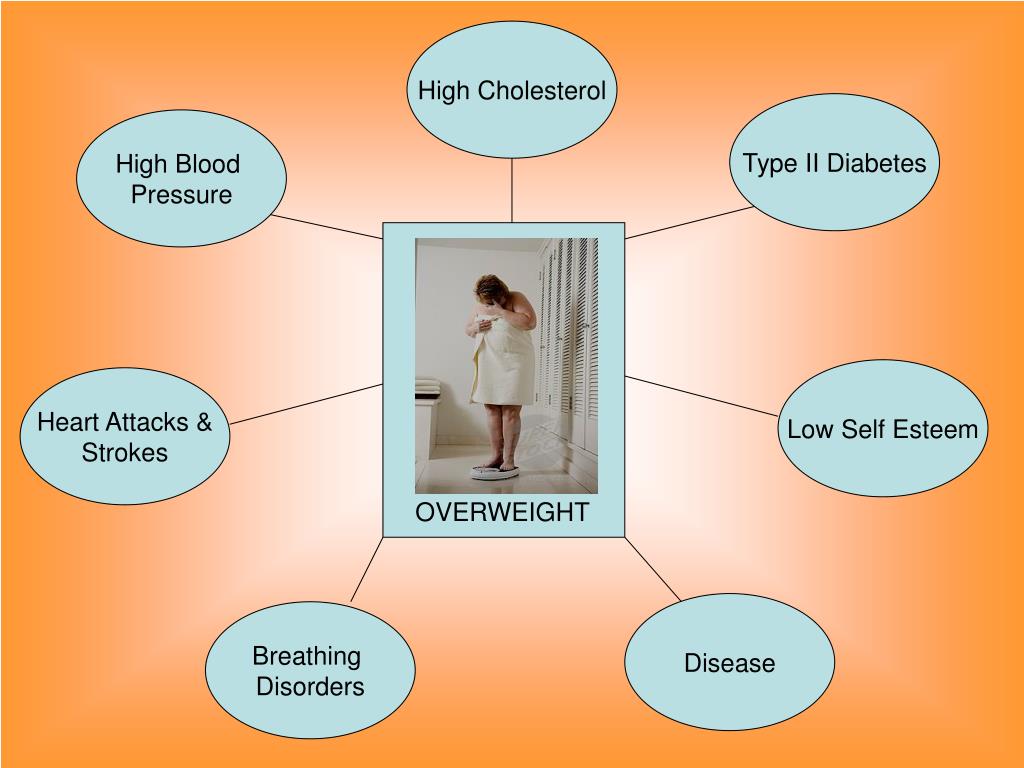
1. Get the facts about your weight.
The Body Mass Index, or BMI, provides you with the healthy weight range for your height. While it doesn’t take into account age, gender or activity level, it is the method most commonly used to indicate the presence of body weight concerns. You can use the CDC’s free BMI calculator to determine your own status.
2. Find out how and what to eat.
As a rule of thumb, half of your plate should be filled with fresh fruits and vegetables, a quarter with starches or whole grains, and a quarter with lean protein, such as chicken (not fried!) or fish. Visit the U.S. Department of Agriculture website for individualized recommendations for best food choices.
3. Find simple ways to be more physically active.
Take the stairs instead of the elevator, get off the bus or subway a stop earlier, or join or start a walking group at your place of work. To begin with, 10 minutes at a time is just fine.
4. Stick with it.
Managing your weight is a long-term commitment, so many people get help with support groups and structured weight-loss programs. It is important to know that even a modest reduction in weight can yield tremendous health benefits. Losing ten percent of your weight can reduce your risk of cancer and heart disease dramatically. Making small changes that you can stick to and being realistic about your goals and your progress will ensure that you feel successful along the way.
When you take control of your weight, you’ll not only look and feel better, you will increase your chances of living a longer and healthier life. Don’t wait until January. Find the resources you need to get started today.
See Full List On Parkavendo.com
If you’ve tried a diet and “failed,” consider yourself successful. DIETS DON’T WORK! Drastically cutting calories, eliminating entire food groups or depriving yourself of foods you actually like are not strategies for long-term success. The good news is that you can permanently change destructive eating habits and break the “diet mentality” for good. Below are strategies to help you approach weight management with a more positive and productive mindset.
Focus Beyond the Scale
Rather than setting your sites on a particular number of the scale, measure success in more meaningful ways. For example, aim to lose a clothing size or measure your losses in inches around your hips, waist, thighs, and arms. If you are focused on using the scale, aim for no more than 1-2 pounds of weight loss per week. Losing even 5-10% of your total body weight can have a beneficial impact on reducing the risk for developing many chronic diseases and can provide a sense of motivation.
Calories Count
Simply put, calories count. The bottom line: to lose weight you have to use up more calories than you take in. Since a pound is about 3,500 calories, you need to reduce your intake by 500-1,000 calories a day to lose about 1 to 2 pounds a week (don’t go lower than 1,200 calories a day though!).
Track your intake
Download Ny Weight Management Programs Free Printable
Studies show that writing down what you eat is an effective method for weight loss. It raises awareness and forces you to think about what and how much you’re eating. Every bite or sip counts! Tracking is also an effective tool for evaluating your eating habits and patterns. MyFitnessPal,Lose It, and Sparkpeople are top-ranked web-based and phone apps to help you track your daily intake and activity level. The Healthy Eating Planner is a tool to help you assess your current eating habits, set goals and create a meal plan.
Stay a Day Ahead of Your Meals
Busy, over-packed schedules can send you straight to the drive thru if you don’t have a plan. Make use of your downtime to develop a basic menu for the upcoming week, go food shopping, and batch cook. Keep healthful foods on hand so you can toss together a wholesome meal in no time.
Here are some helpful resources for meal planning:
Avoid “Bottom Heavy” Diets
Distribute your calories throughout the day rather than eating most of them after the sun goes down. This helps to keep your metabolism fired up, prevents drastic swings in blood sugar and helps with portion control throughout the day. A good rule of thumb is to eat every 3-4 hours. Think “mini-meals” rather than a light breakfast, quick lunch and oversized dinner.
Mind Your Meals (and Snacks) and Ride out Cravings
Being “mindful” around meals and snacks means that you are truly focused on what you are eating. If you have a tendency to eat out of “habit” versus “hunger,” you are likely eating more than you realize. Eating when you are truly hungry, not because you’re bored or procrastinating, can help you trim off 500 calories per day in no time.
If you know that it’s not hunger that’s pulling you towards your next bite, you can learn to “ride out” the craving. While it can help to have something calorie-free to drink or distract yourself with an activity like going for a walk, these are short-term fixes. If you struggle with stress or emotional eating, a mindful eating app called Eat Right Now can help you to improve your relationship with food and strengthen your control over cravings. Contact beingwell@yale.edu to learn more.
Think your Drinks
Don’t spend the day sipping away your calories. Beverages like juice, soda, sweet teas, energy drinks, and flavored coffees can put a big dent in your daily calorie budget. Make a habit of increasing your water intake. If plain old H20 isn’t your thing, jazz it up with fresh lemon or lime or try a calorie-free flavored seltzer. Count your cocktails too. Alcohol is dense in calories, even before it makes its way into a mixer. Rethink your drink!
Get FFIT
While nutrition plays the starring role in weight loss, physical activity is more than just an understudy. Fit in ways to get FFIT!
Fun- Find activities that you enjoy and chances are you’ll stick with them. Try a new dance or martial arts class, take a hike or sign up for a local 5K fun run or walk.
Frequency- The most current physical activity guidelines recommend a minimum of 150 minutes of moderate-intensity aerobic activity a week. Muscle-strengthening activities that involve all major muscle groups (legs, hips, back, abdomen, chest, shoulders, and arms) should be incorporated on 2 or more days a week.
Download Ny Weight Management Programs Free Trial
Intensity- Moderate-intensity aerobic activity means you’re working hard enough to raise your heart rate to break a sweat. You’re able to talk, but not sing the words to your favorite song. It’s a “5 or 6” on a scale of “0 to 10.” Brisk walking, dancing, swimming, and bicycling on a level terrain are examples.
Download Ny Weight Management Programs Free
Time- While 150 minutes each week sounds like a lot of time, you don’t need to do it all at once. Spread your activity out during the week. You can even break it up into smaller chunks of time during the day. It’s about what works best for you, as long as you’re doing physical activity at a moderate effort for at least 10 minutes at a time.